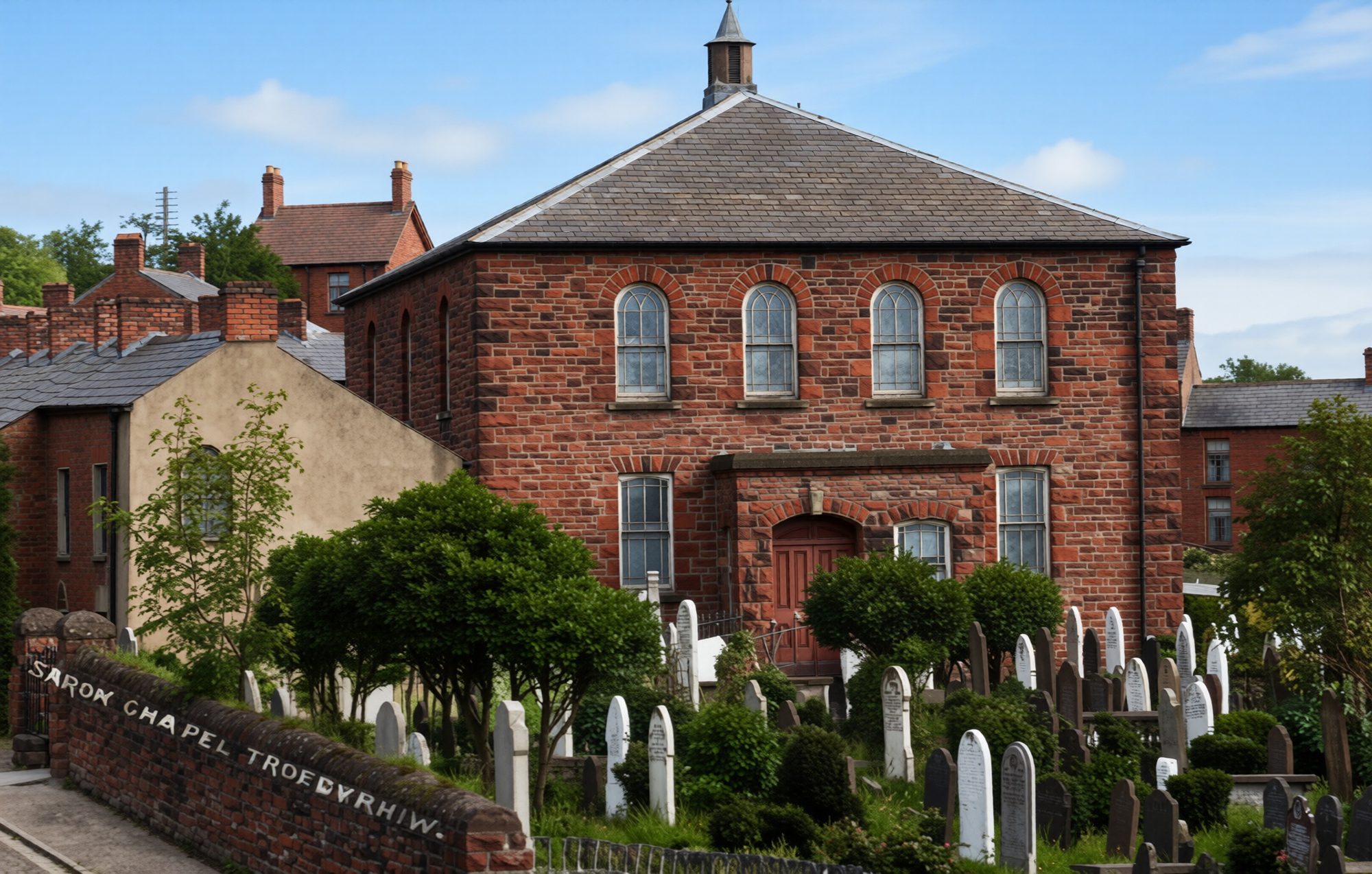
Saron Chapel and graveyard, Troedyrhiw

Saron Graveyard · Troedyrhiw

Recording the lives behind the stones.

Friends of Saron is a volunteer-led project to conserve the historic nonconformist graveyard at Saron, Troedyrhiw — and to tell the stories of those buried here.

Scroll to explore
15
years of volunteer work
438
grave plots across rows A–K
862
recorded burials (and counting)

A small Welsh graveyard with a big story.

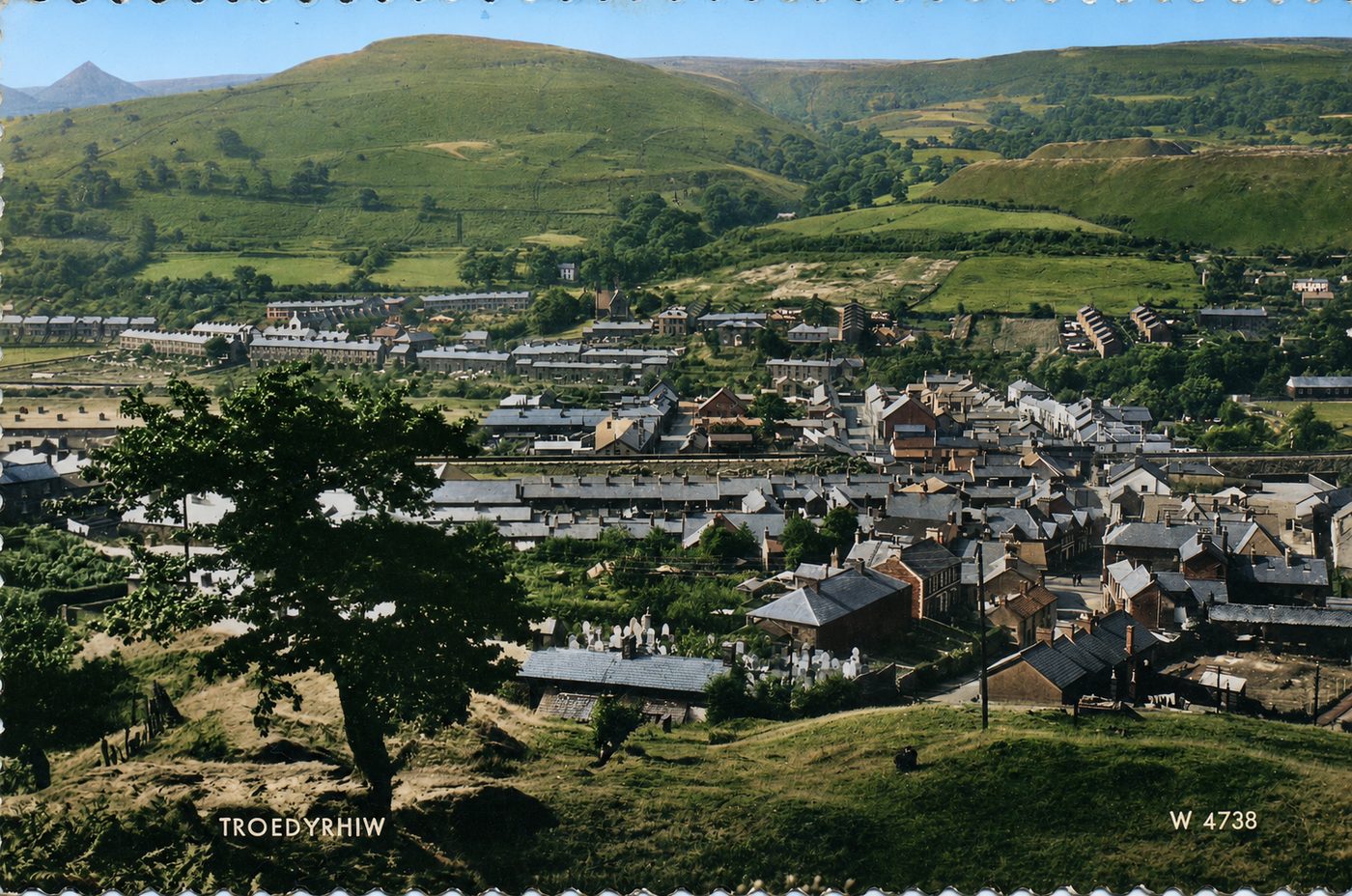
Saron graveyard sits on the hillside above Troedyrhiw in the Merthyr valley. Established in the early nineteenth century, it became the final resting place of ironworkers, ministers, tradespeople, housewives, children and others from this part of industrial South Wales.

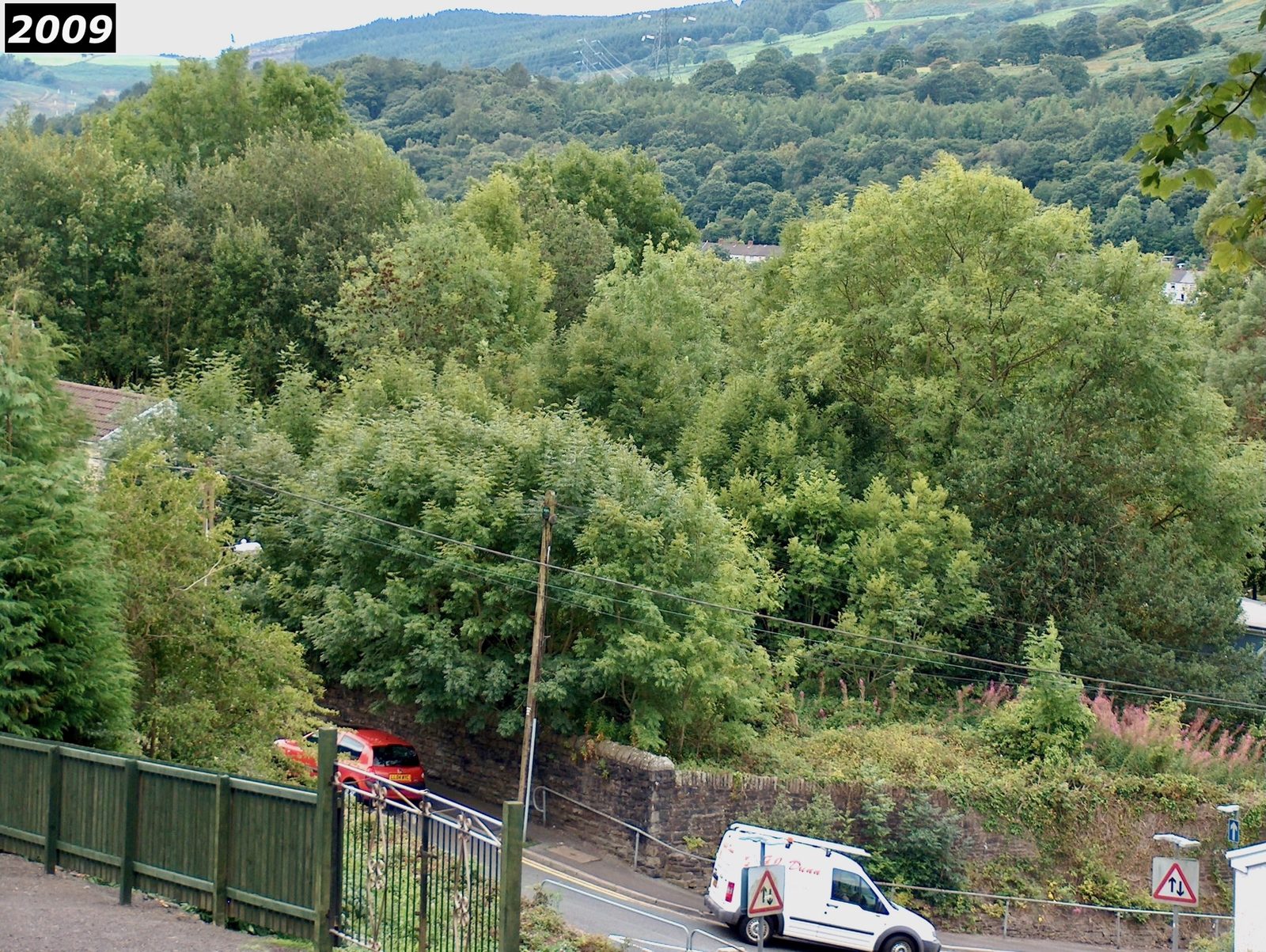
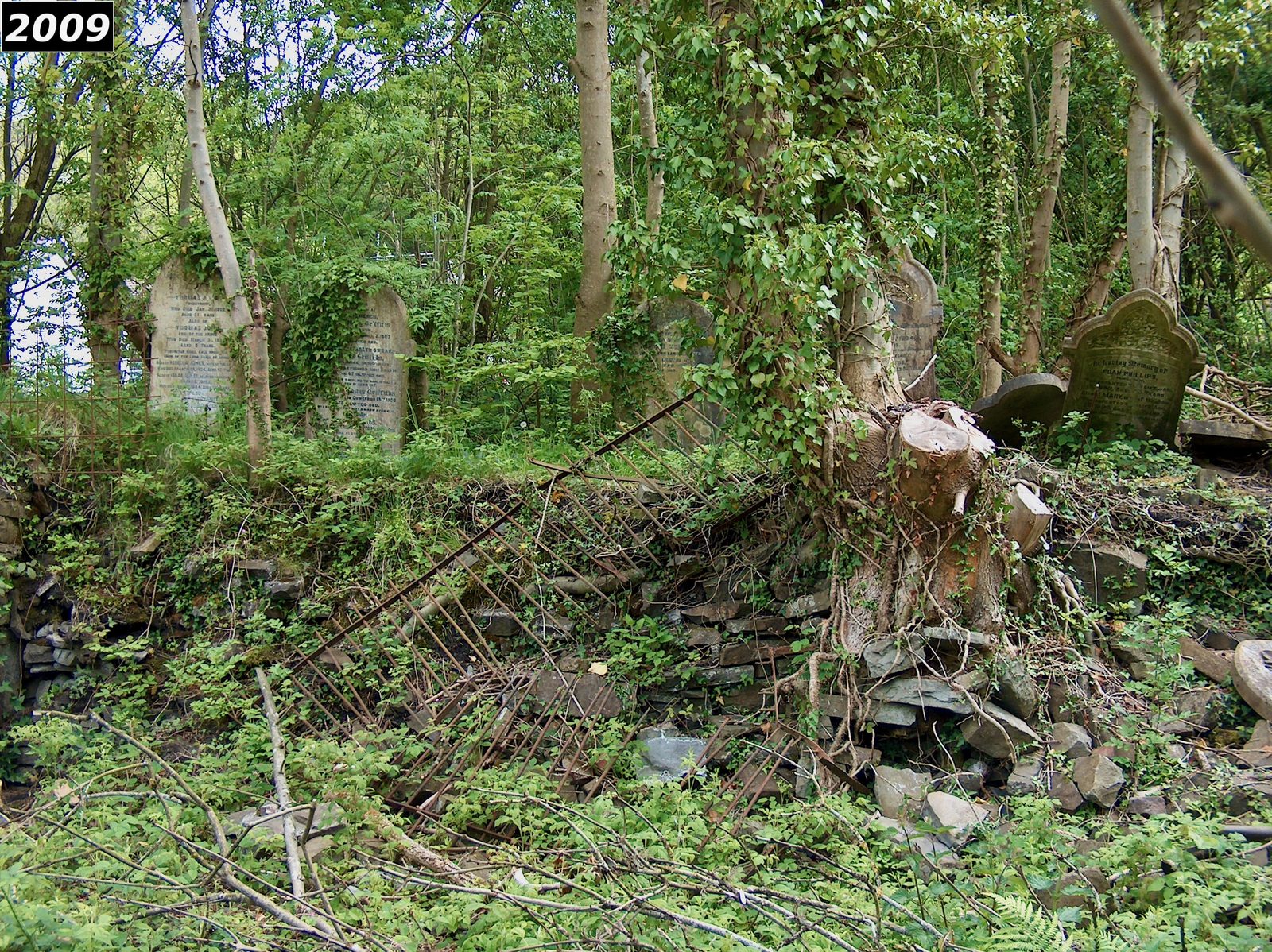
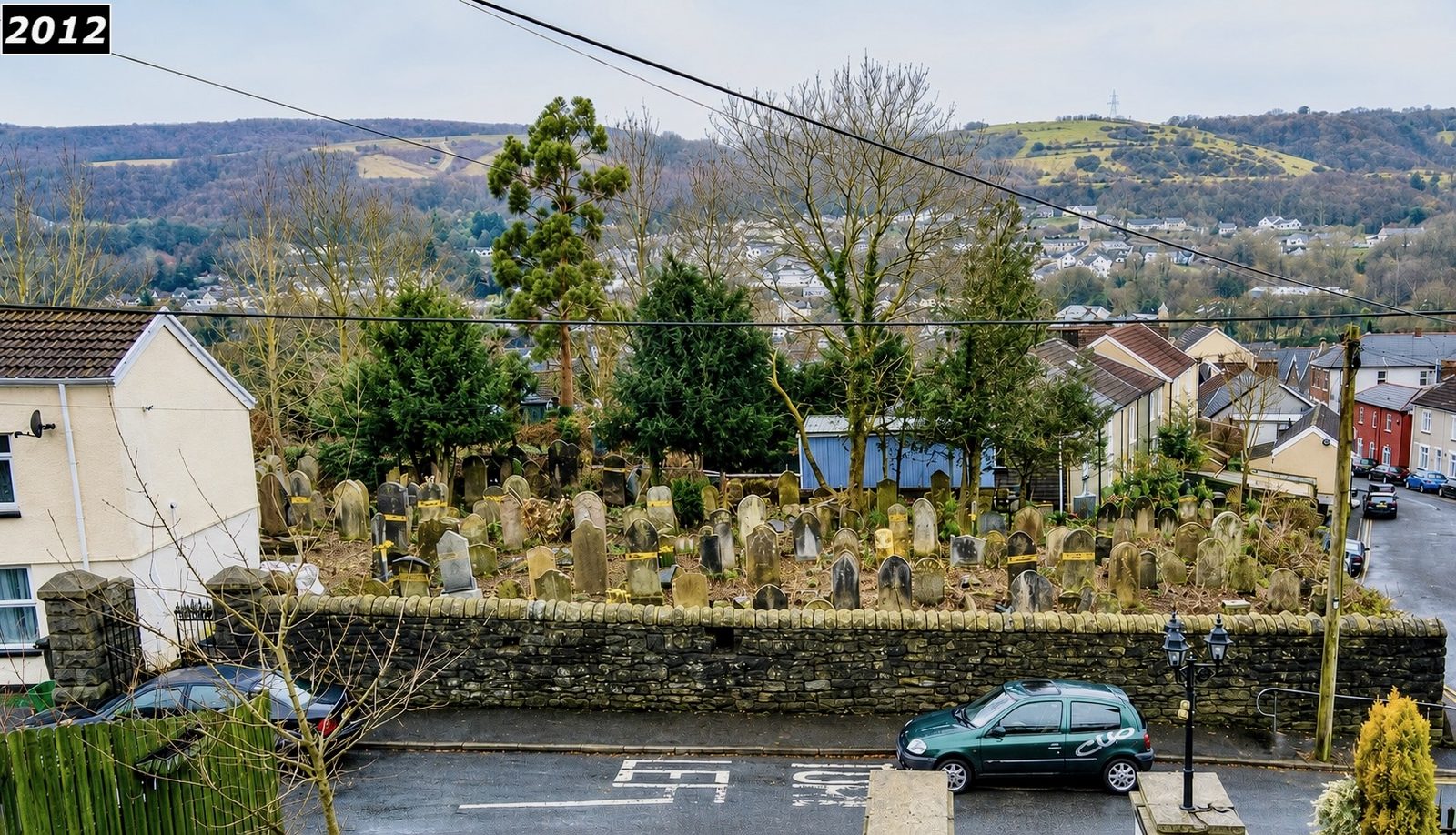
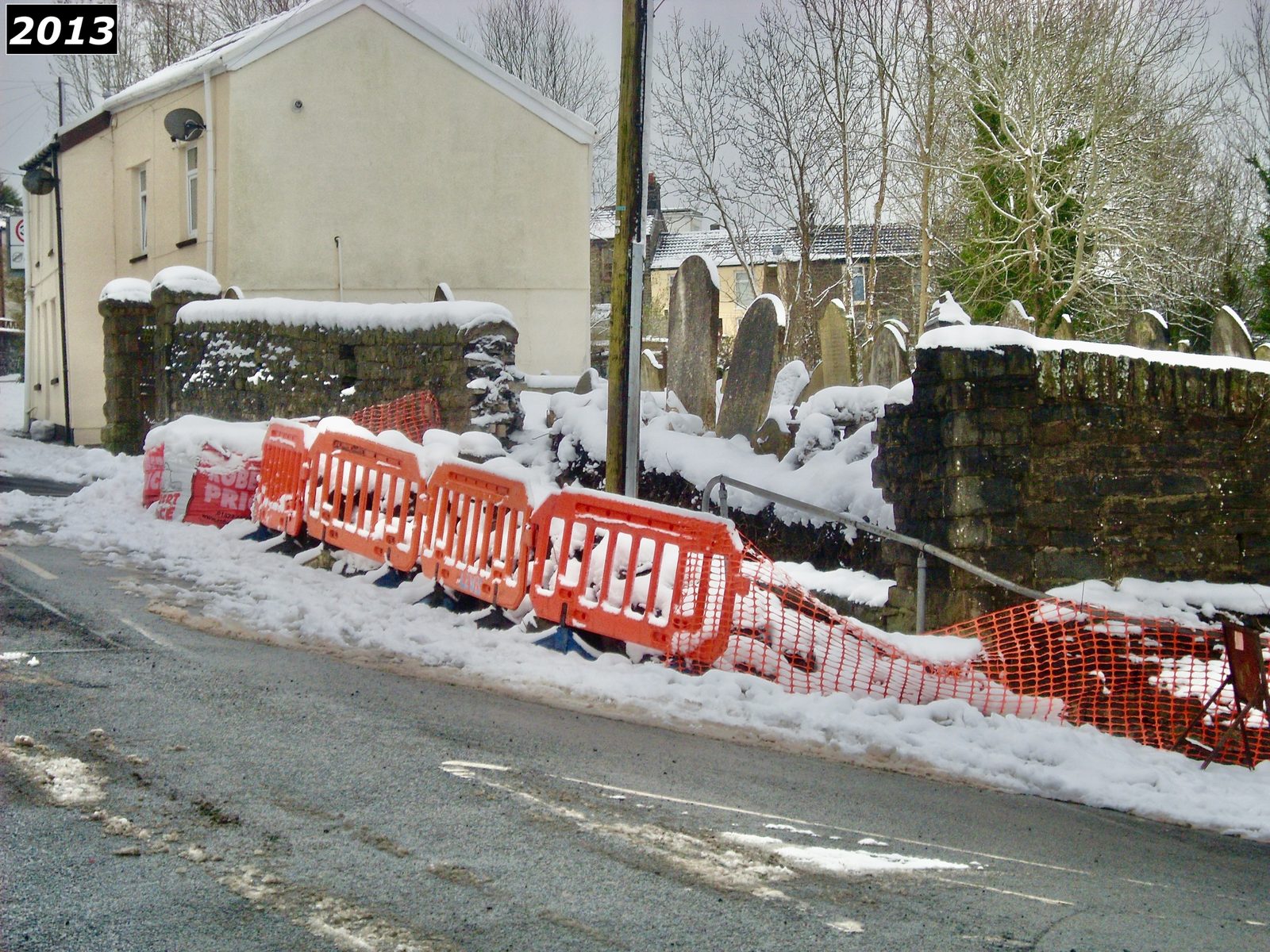
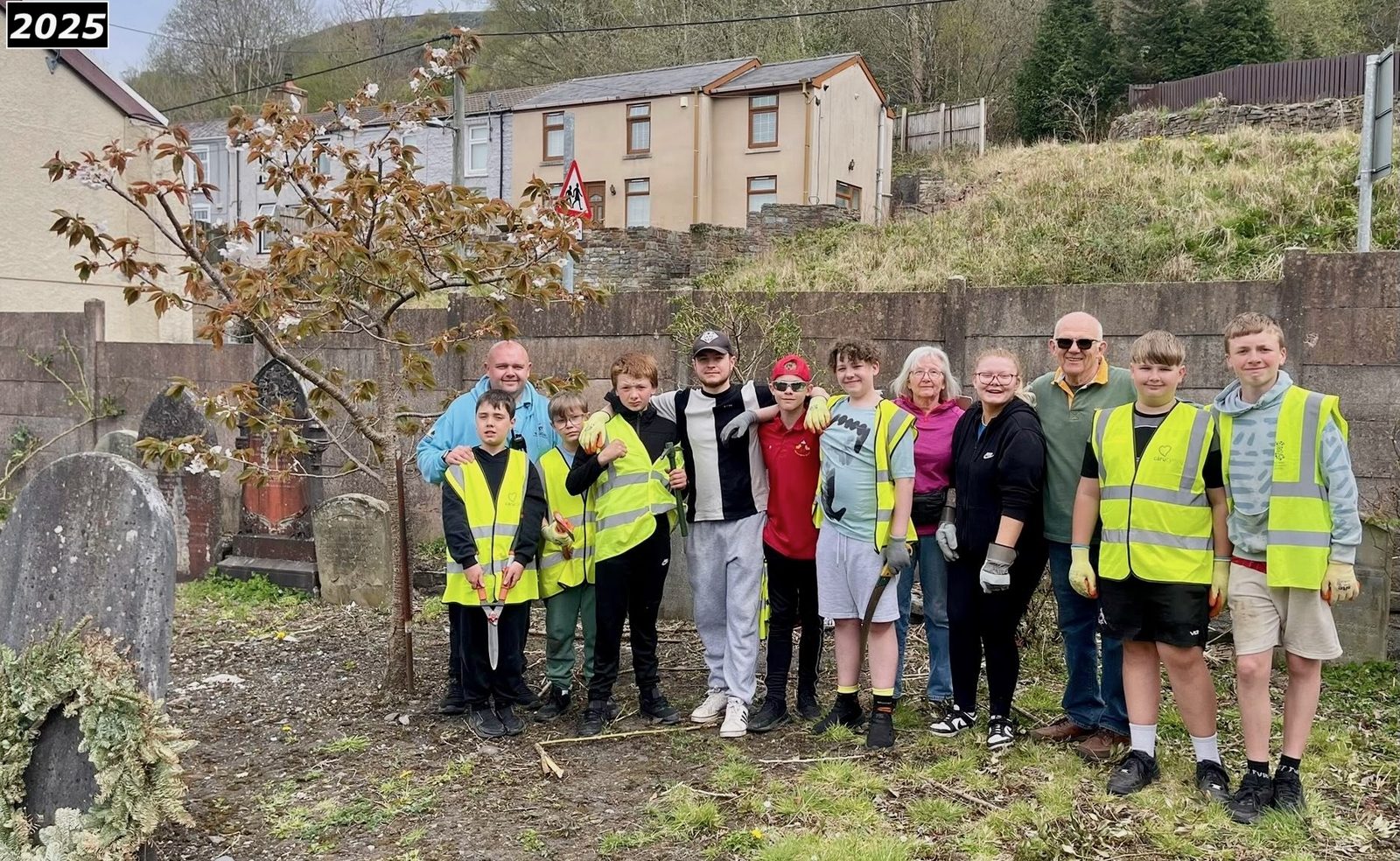
The Friends of Saron group formed in 2009 when local residents became concerned about the deteriorating condition of the site. Since then volunteers have cleared vegetation, repaired boundary walls, stabilised headstones and begun the careful task of recording each burial.

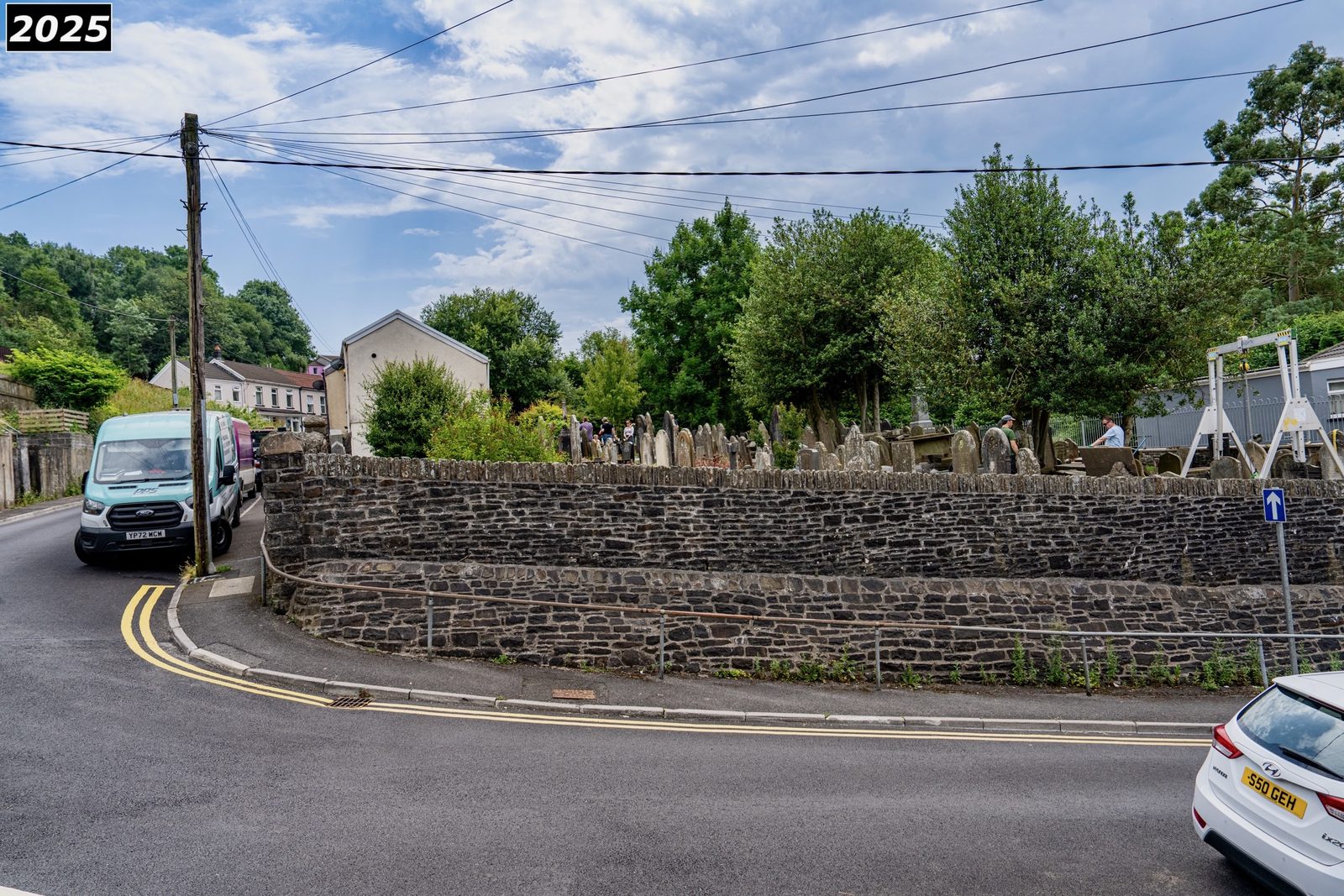
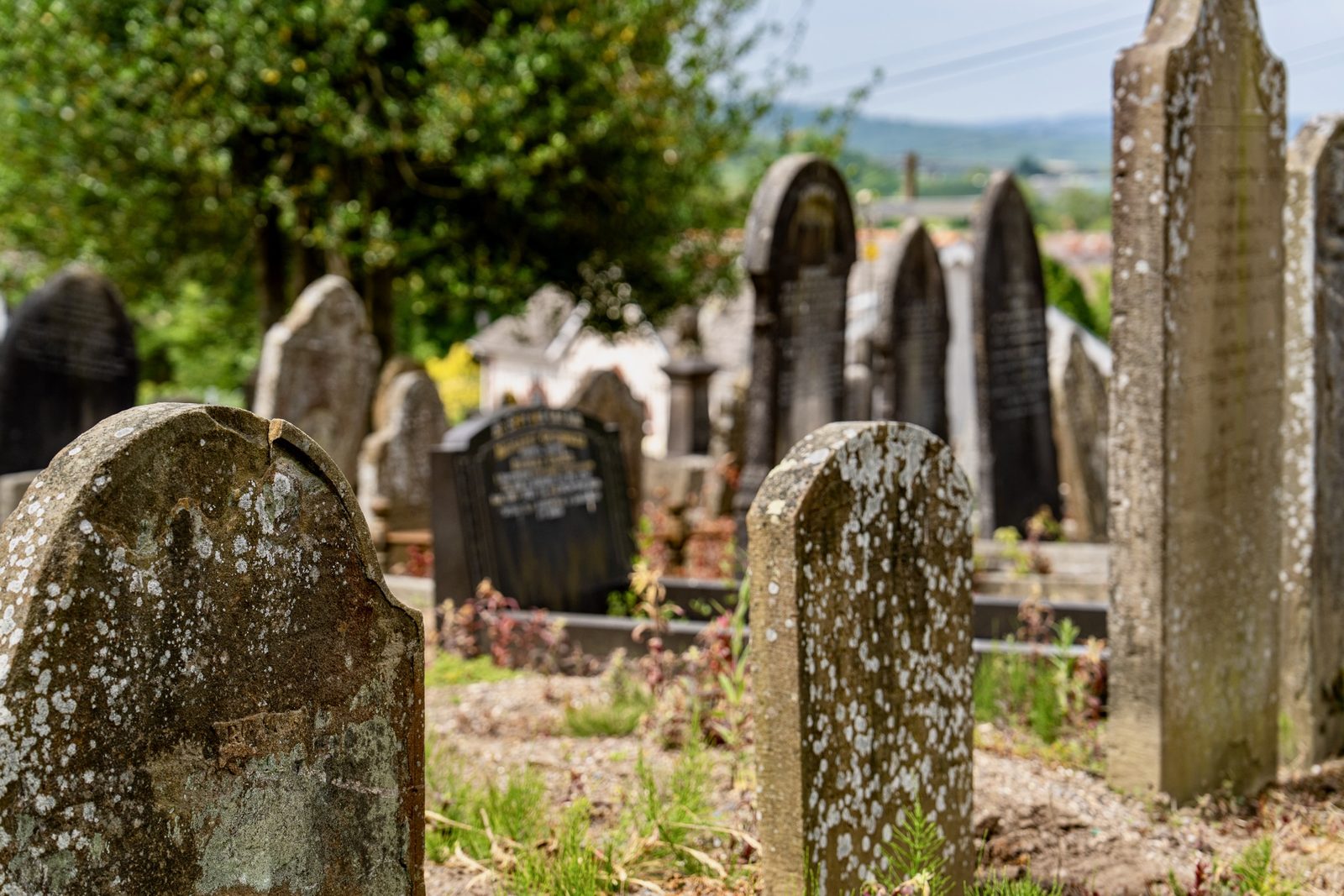
Saron graveyard, Troedyrhiw
“Saron is part of the story of how ordinary people in the valleys lived, worked, worshipped and cared for each other.”
Friends of Saron volunteer

From chapel ground to community project.

1820

1820

Early days of the Independent cause in Troedyrhiw

A number of people in the area decided to start a Sunday School with help from Bethesda Chapel in Merthyr. Initially the school and services took place from house to house but later at the Old Mill and the Harp Inn.
1835

1835

Land purchased for Saron

Land is provided by Sir Josiah John Guest of the Dowlais Iron Company, who claimed ownership, for the building of Saron Chapel and the associated burial ground.

1852

1852

Chapel and graveyard expand

Saron Chapel is rebuilt to accommodate a growing congregation drawn from the rapidly expanding mining and ironworking community. The actual landowner was found to be Wyndham Lewis and he granted a lease for this purpose.

1900s

Late 19th – early 20th century

A valley community in stone

Burials reflect the social history of the valley: industrial accidents, epidemics, migration, revival movements and the impact of war are all recorded in the inscriptions.

1960s

1960s – early 2000s

Decline, closure and dereliction

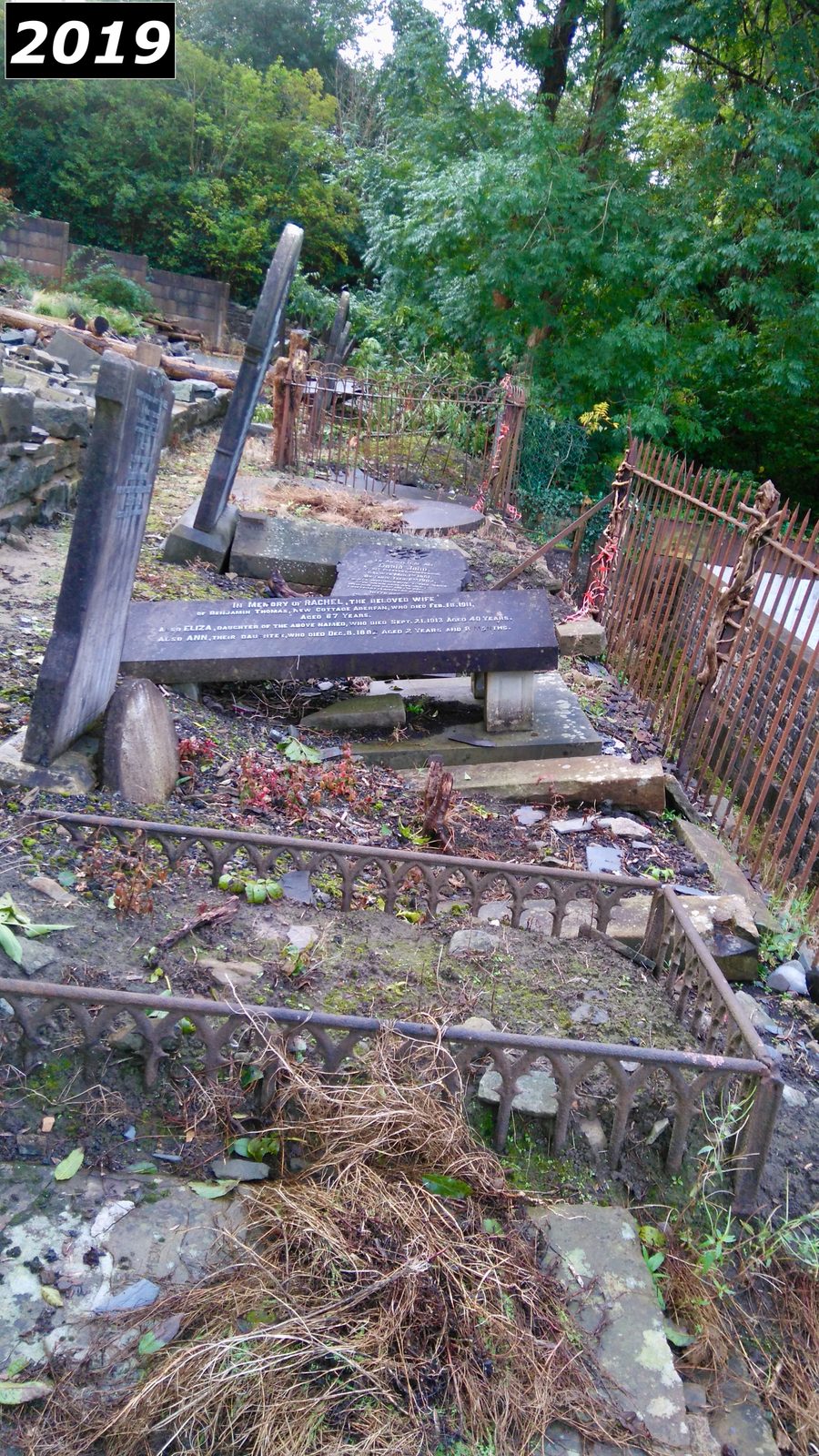
With the decline of heavy industry and changes in patterns of worship, chapel attendance falls. Following the closure of the chapel in 1983 and its subsequent demolition, the burial ground progressively becomes overgrown and the condition of the memorials and boundary walls deteriorates.

2009

2009

Friends of Saron formed

Concerned local residents form the Friends of Saron group to take action. Regular work days begin, and links are made with Merthyr Tydfil County Borough Council, the landowner, the leaseholder and a variety of organisations and individuals potentially capable of providing guidance and support.

Today

Today

Recording and restoration

Volunteers continue the painstaking work of vegetation management, stone conservation and inscription recording. The online Burials Register allows families and researchers around the world to explore Saron’s story.

Practical care, research and community.

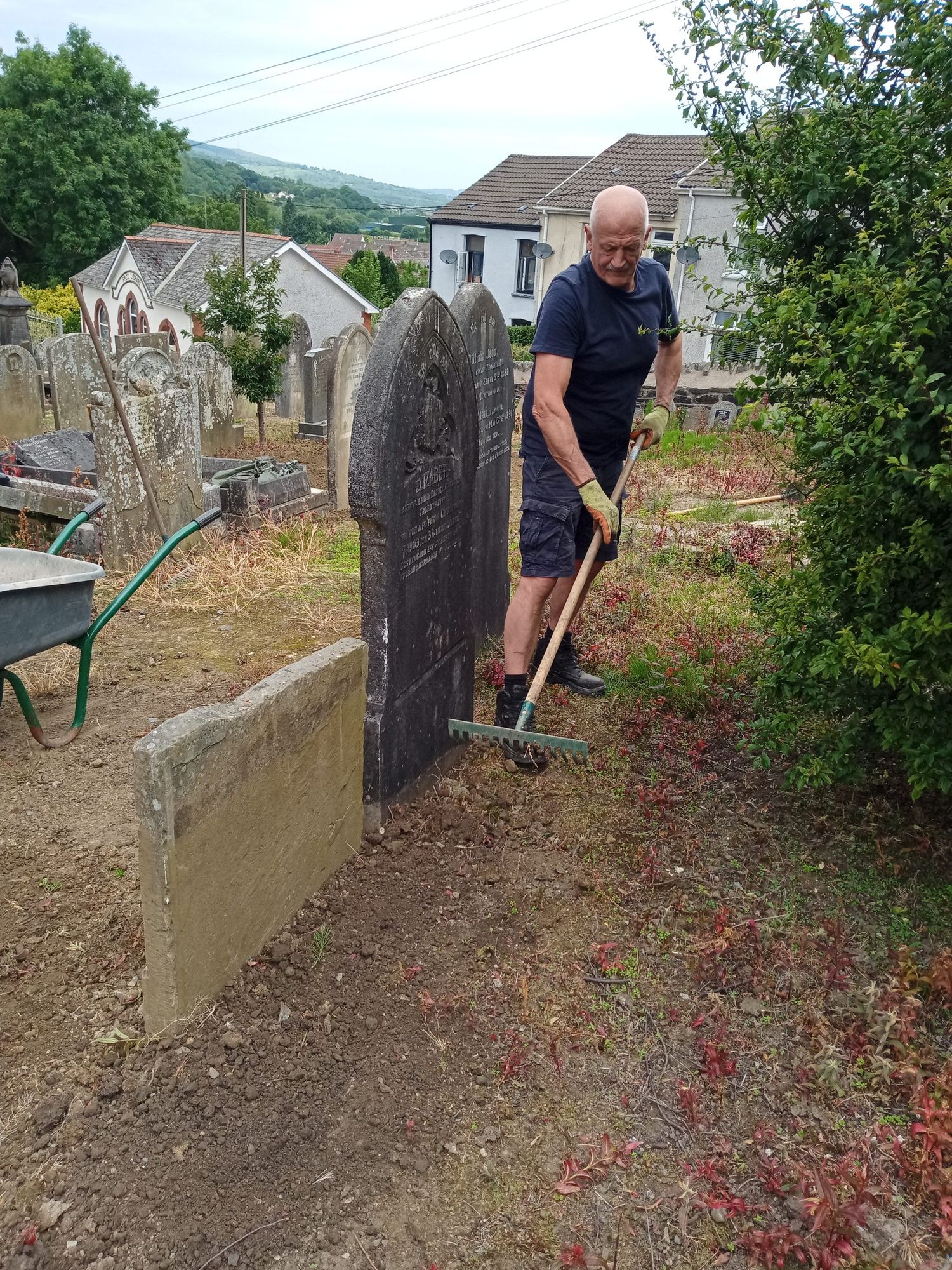
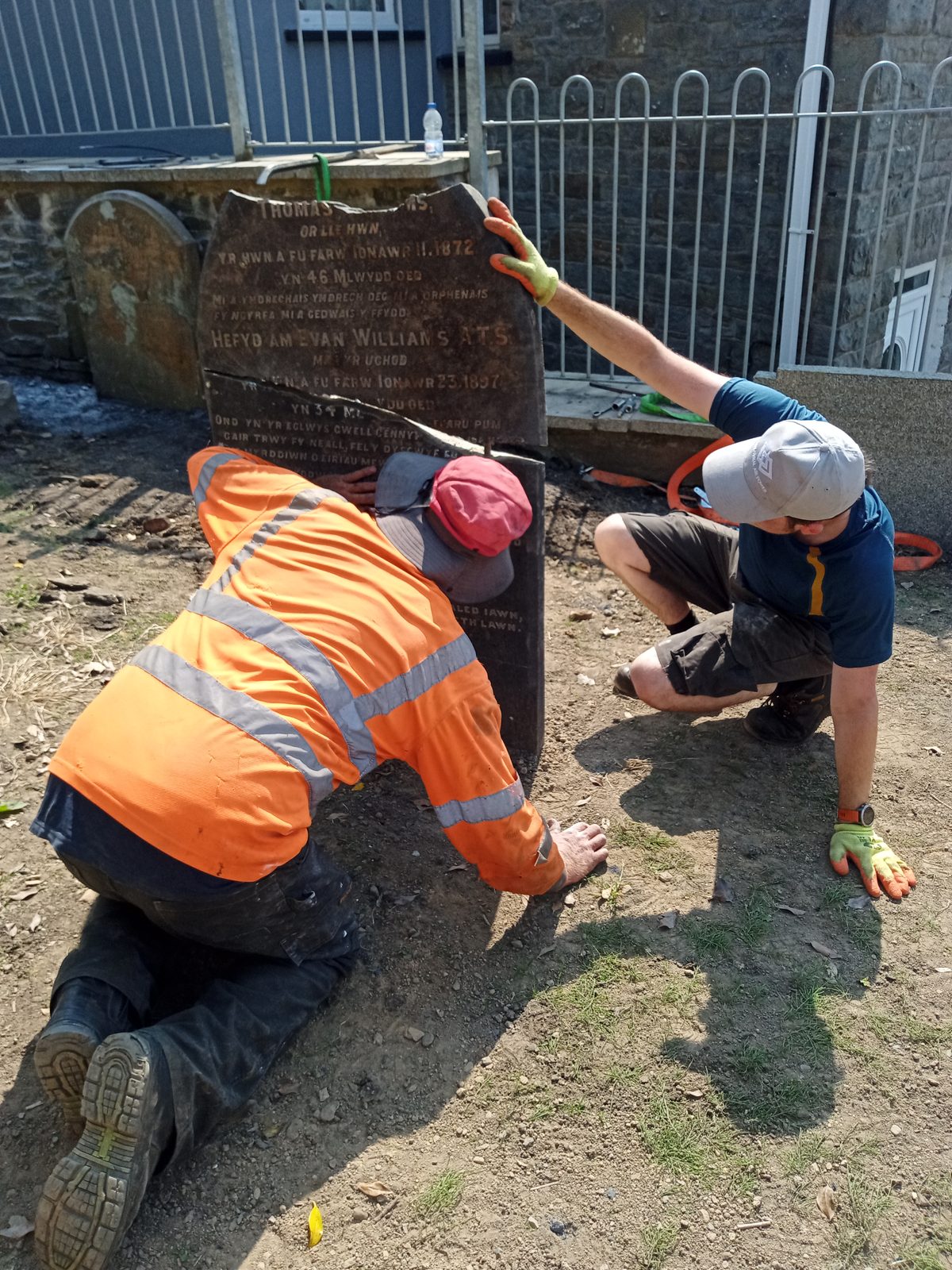
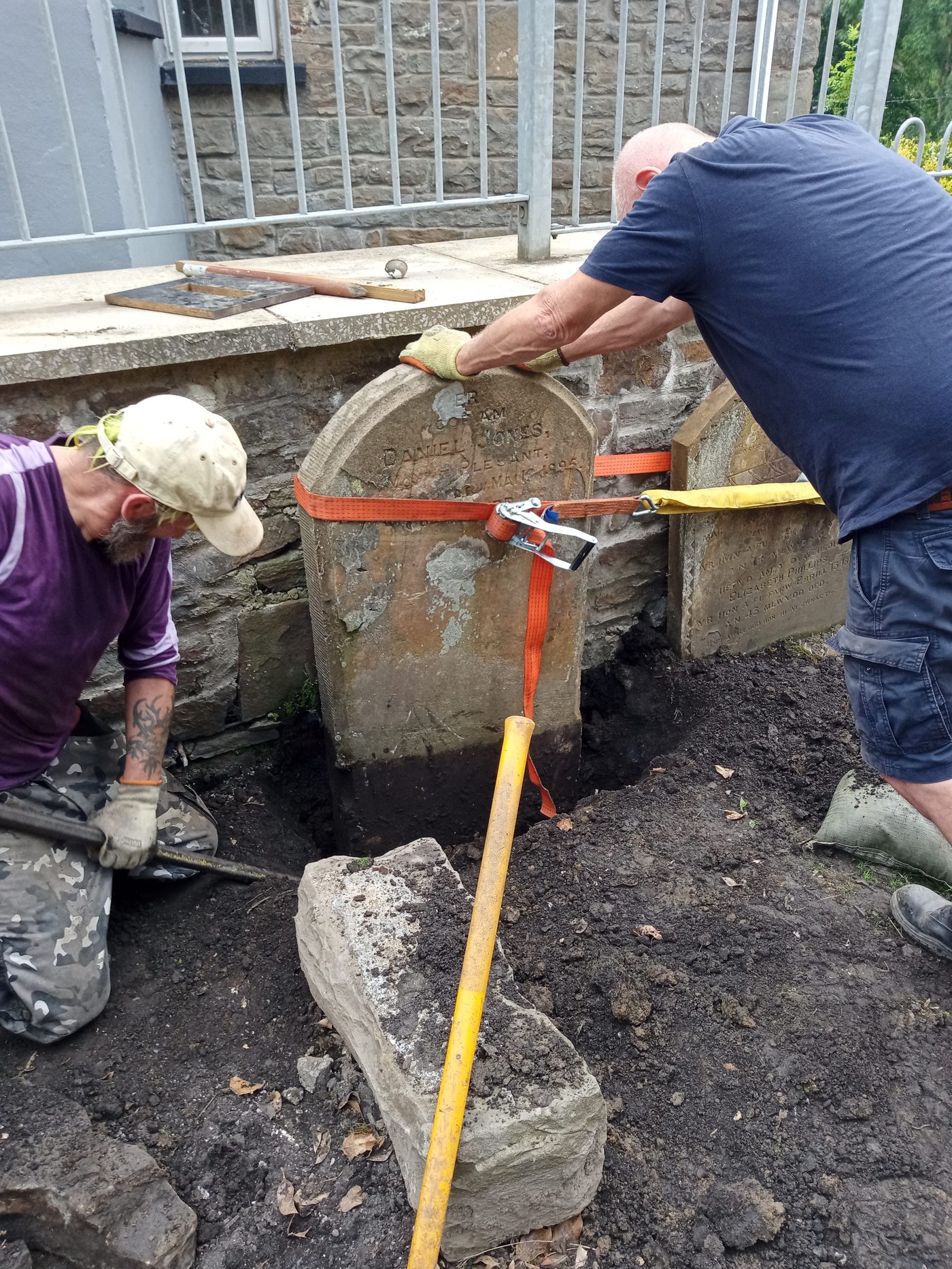
Volunteers resetting a headstone at Saron

Hands-on conservation

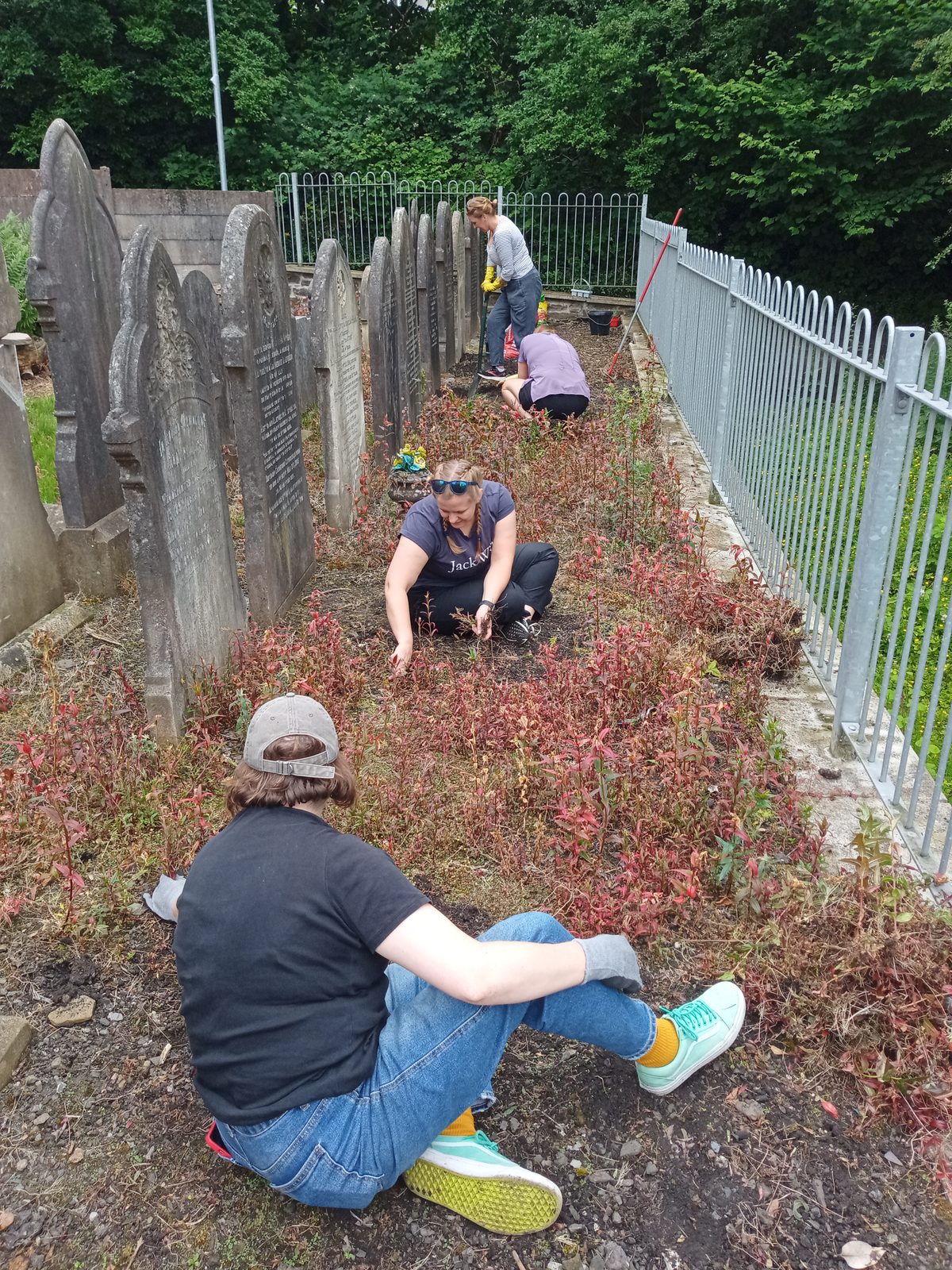
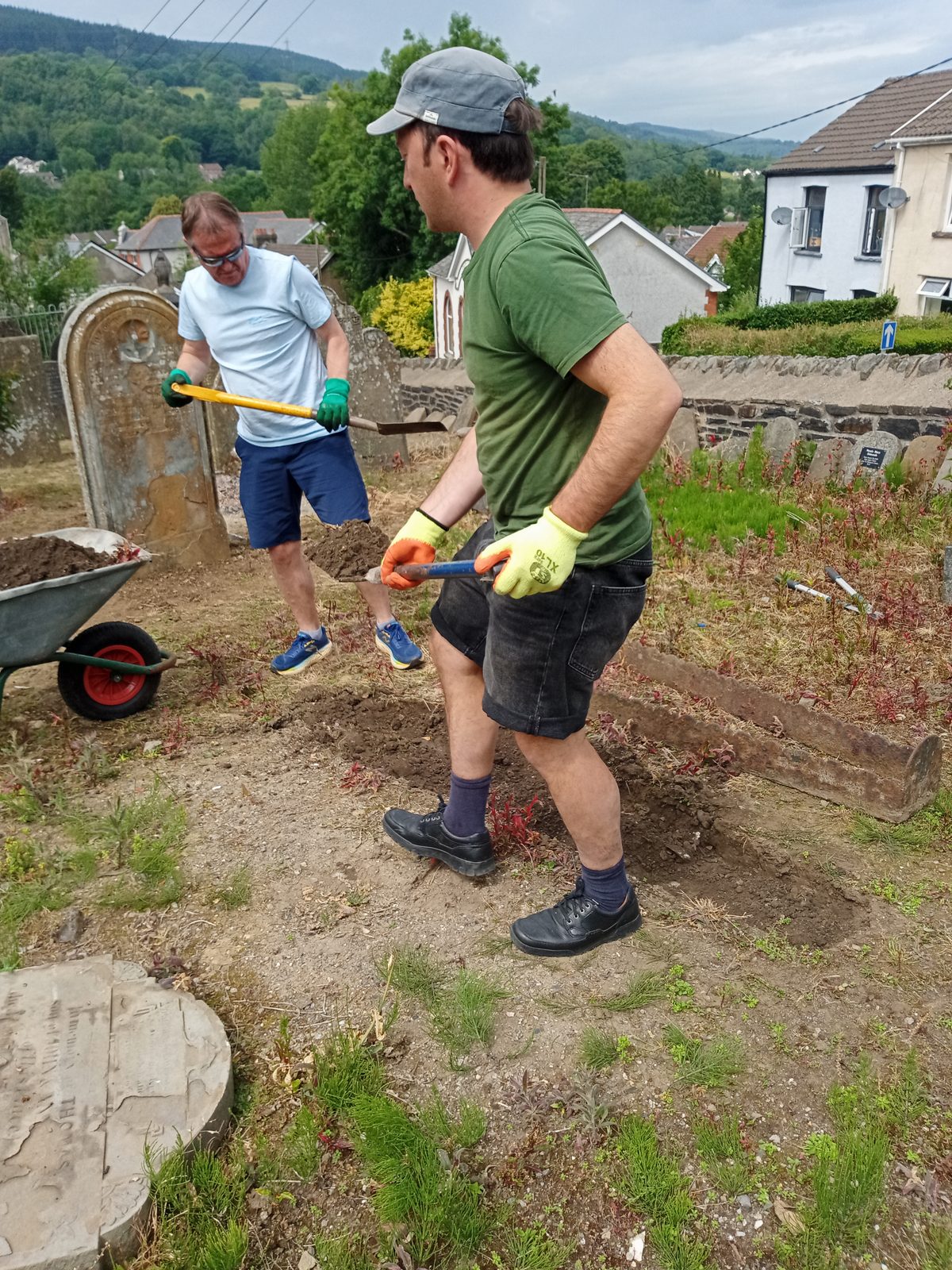
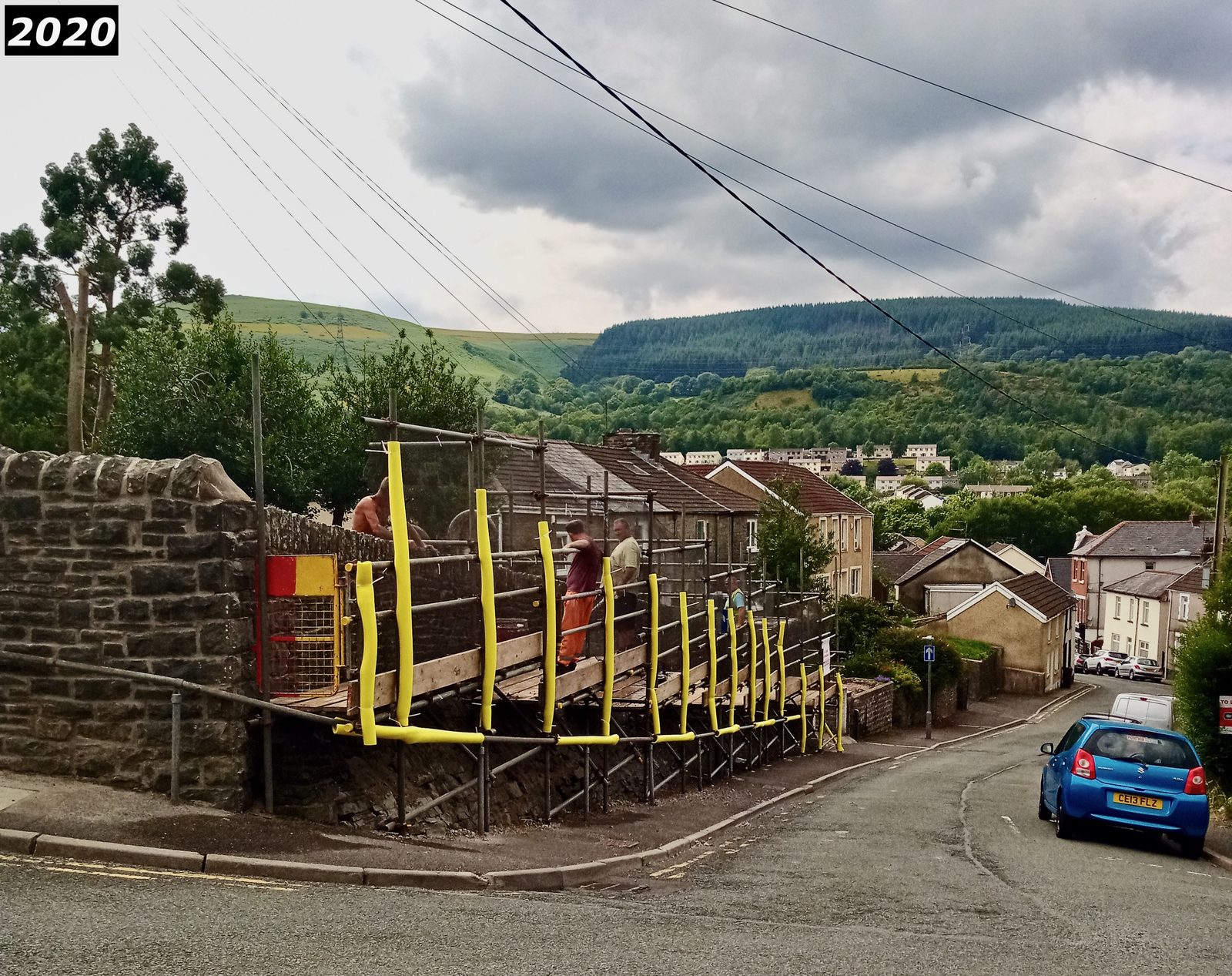
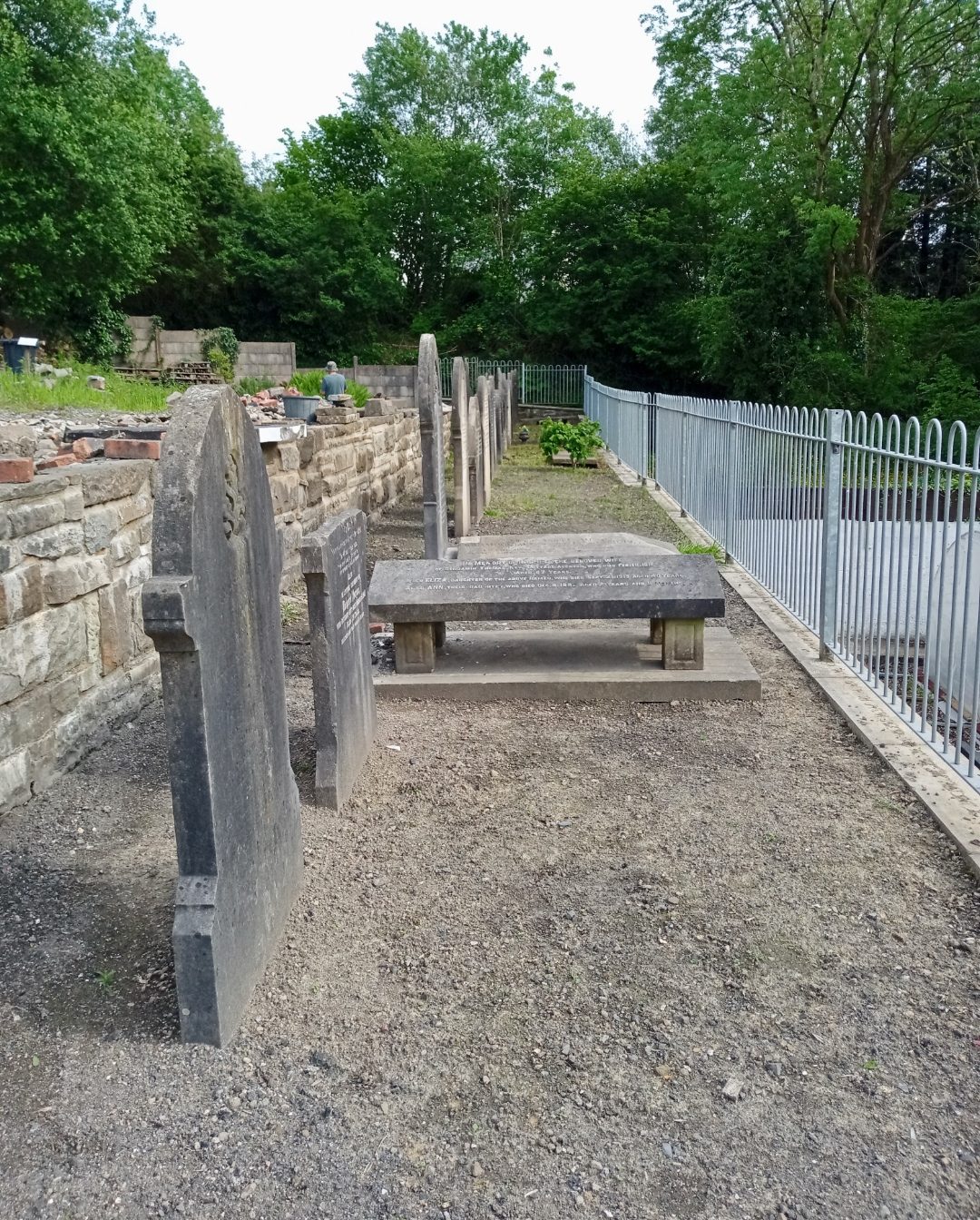
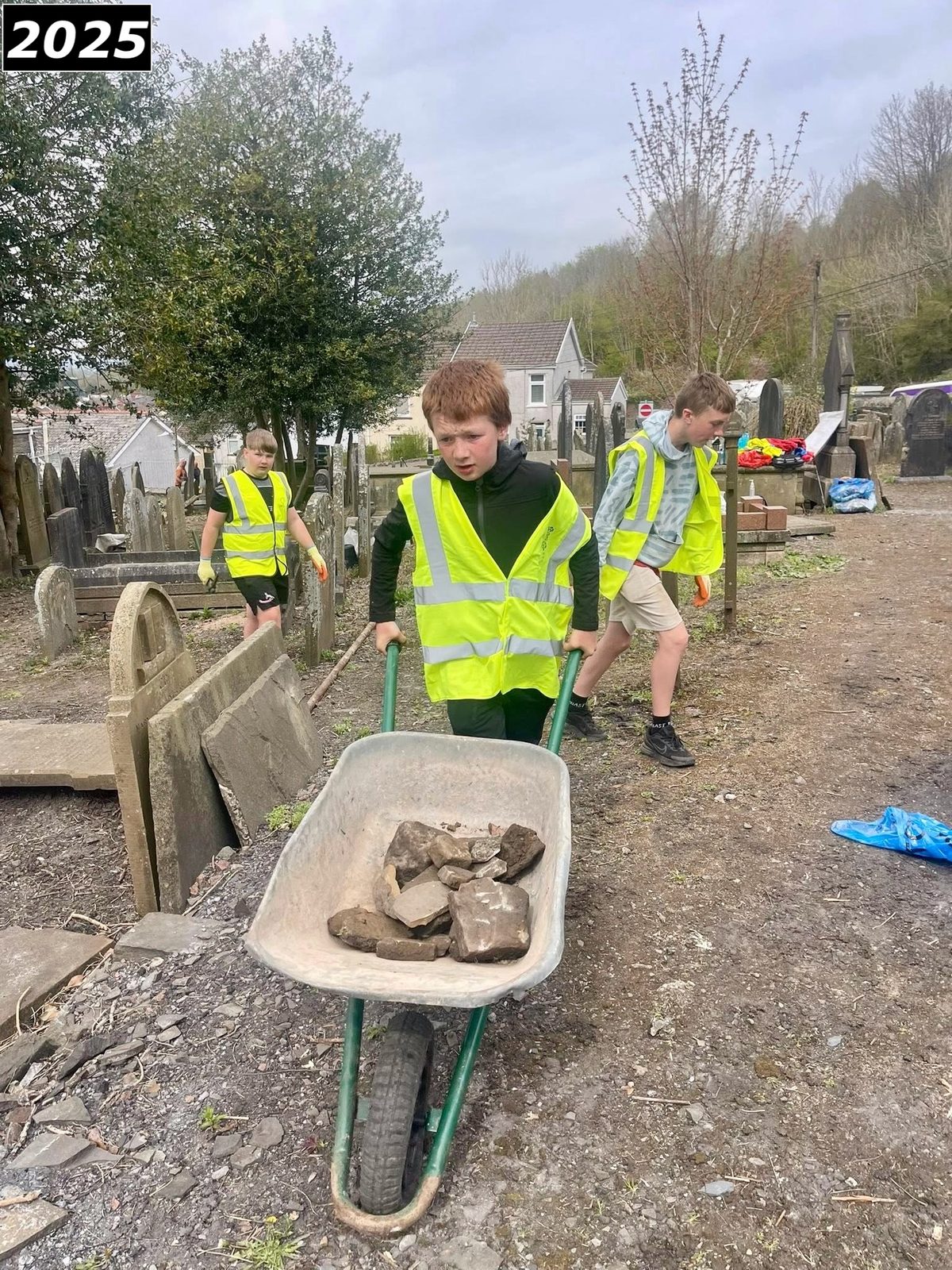
Regular work days see volunteers clearing vegetation, making safe leaning stones, repairing boundaries and improving access paths. All work is done with hand tools and taking great care to avoid damage.

No specialist skills are required – just appropriate clothing and a willingness to help. Training, tools and plenty of tea are provided.

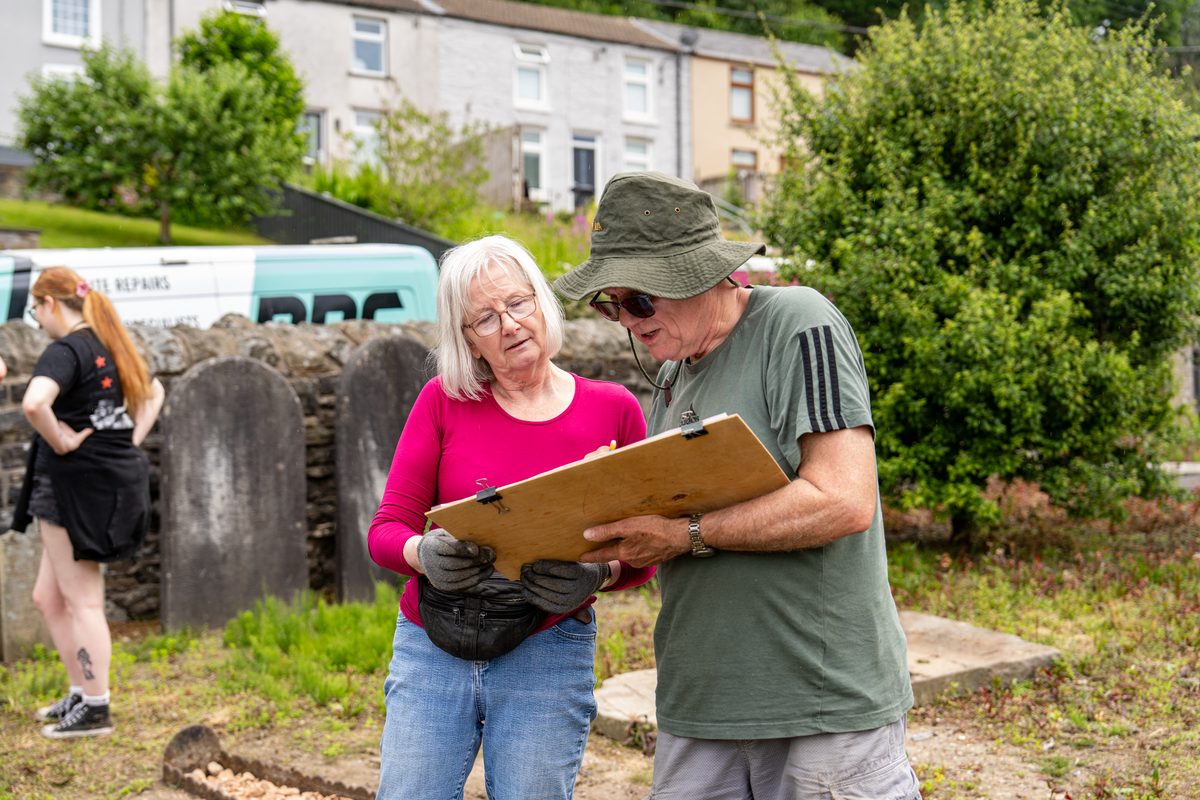
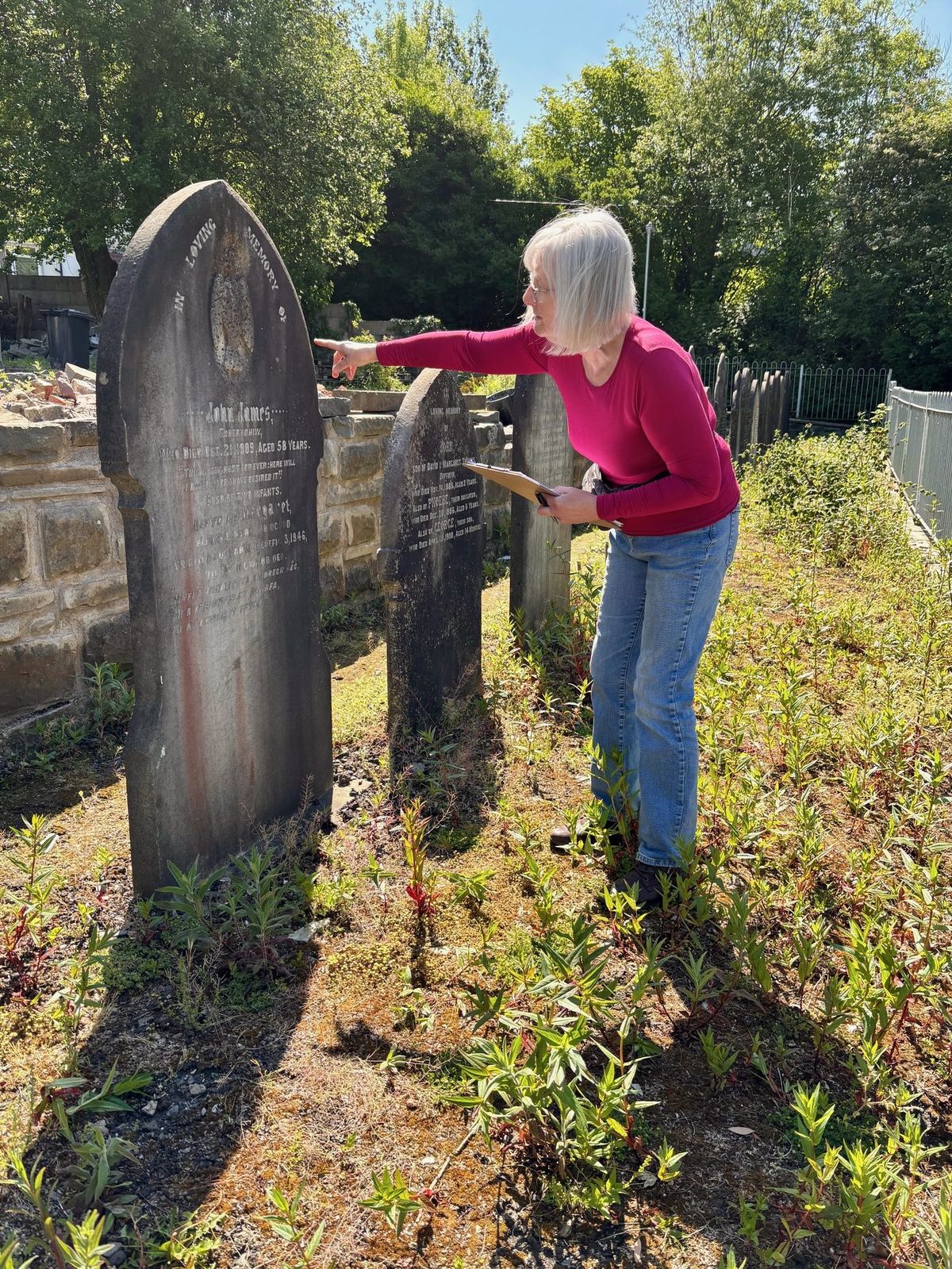
Surveying and recording burials at Saron

Inscription & archive research

Every legible inscription is transcribed, photographed and cross-referenced with census records, parish registers, nonconformist burial records and Welsh newspaper archives.

This work feeds directly into the public Burials Register — a permanent, searchable record for families tracing their South Wales ancestry.

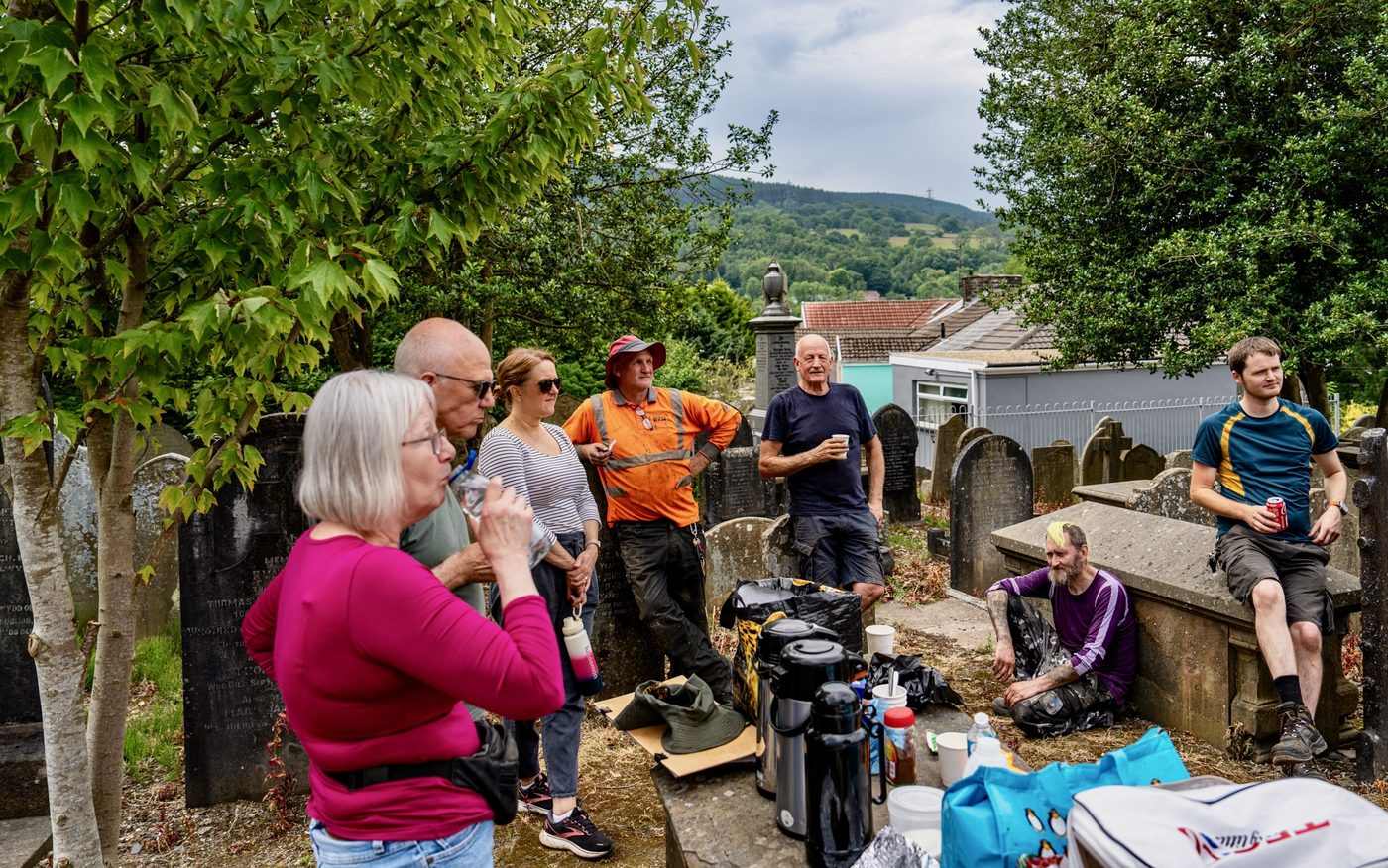
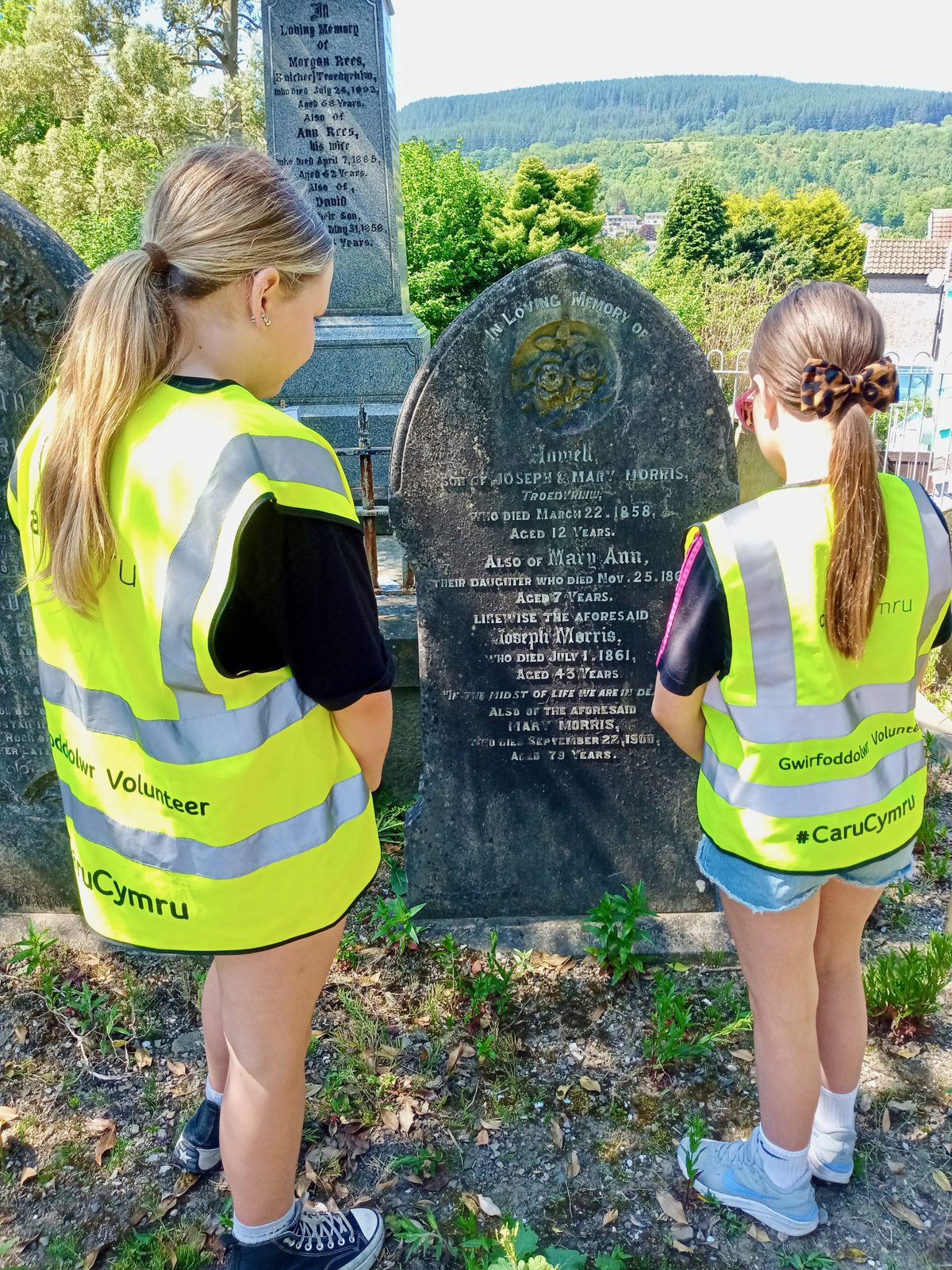
Friends of Saron volunteer group

Community & education

We hold regular open days, guided walks and talks in partnership with local schools, Merthyr Tydfil Borough Council and heritage organisations across South Wales.

Volunteers of all ages and backgrounds are welcome — no experience required. Just bring enthusiasm for Welsh history and comfortable footwear.

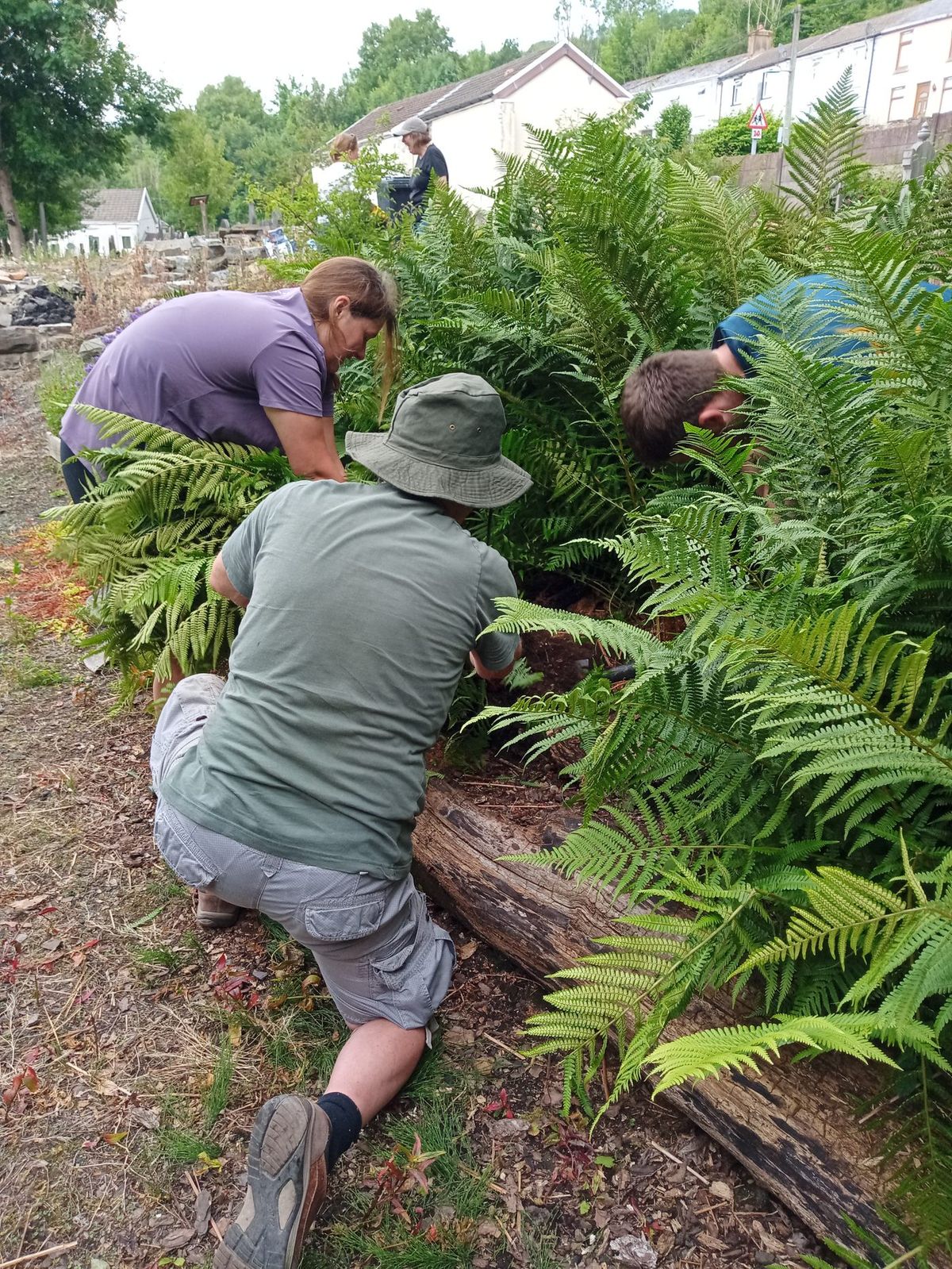
The fernery at Saron graveyard

Wildlife & wildflower garden

A section of the graveyard has been designated as a managed wildflower habitat, supporting pollinators and providing a peaceful green space for the community.

  • Native wildflower coverage68%
  • Bat boxes installed6/8
  • Bird species recorded24

Common questions

Use our Burials Register page — search by surname, first name, year of death or plot number. You can also browse row by row using the interactive plot map. If your ancestor isn't yet listed, contact us and we'll check our offline records.

Yes, Saron graveyard in Troedyrhiw is open to visitors. We recommend wearing sturdy footwear as the ground is uneven in places. Guided tours can be arranged by contacting us in advance.

Use the contact form on this site or come along to one of our regular work days — usually the first Saturday of each month. No experience needed; training and equipment are provided.

Donations are gratefully received and go directly to materials, professional conservation work, and archive access costs. Please get in touch via the contact form and we'll provide donation details.

The graveyard is divided into rows A through K. Each row contains numbered plots. So plot B-14 means Row B, plot 14. You can explore all 438 plots on our interactive plot map on the Burials Register page.

Get in touch

If you have information about those buried at Saron, would like to volunteer, or wish to arrange a visit or talk, please use the form below.

Thank you — your message has been sent to Friends of Saron.

Burials Register

A growing list of the burials we have been able to identify at Saron graveyard, Troedyrhiw. Search by name or plot, filter by row and decade, and click a name to read a short biography where available.

Recorded burials: 0
Plots with entries: 0
Rows in use: A–K
Row
Era (by year of death)
0 results
Surname Forenames Died Age Plot Notes

Interactive Grave Plot Map

438 plots across Rows A–K, read like a book from A1 (top) to K18 (bottom). Hover or tap a plot to see details. Click to view a burial record. Plot counts per row are our best estimate from the ongoing burial survey.

Recorded
Partial record
Unrecorded / empty

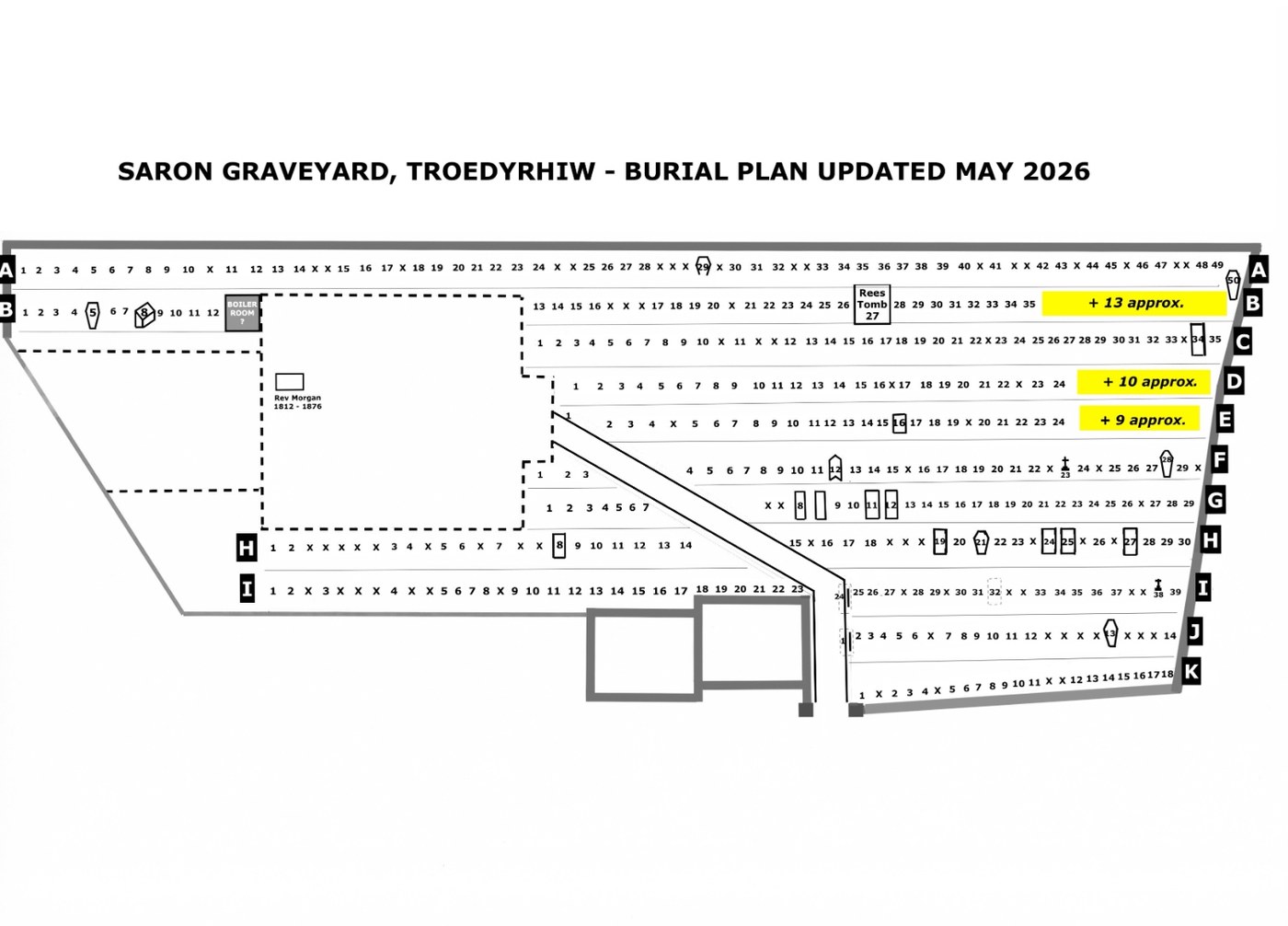
Realistic burial plan — updated May 2026

The grid above is a simplified guide. Plots at Saron are not a standard size and are set out differently in each row, so this measured plan shows how the graves actually sit within the graveyard. An X marks an unmarked plot, and “+ approx” notes show where the number of graves in a gap is an educated estimate. The survey is ongoing, so this plan will be updated as more graves are identified.

Measured burial plan of Saron Graveyard, Troedyrhiw, updated May 2026, showing rows A to K with numbered plots, unmarked plots marked X, and landmarks including the Rev Morgan memorial, Rees Tomb 27 and the boiler room